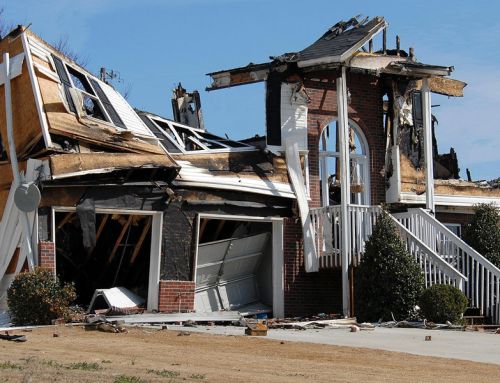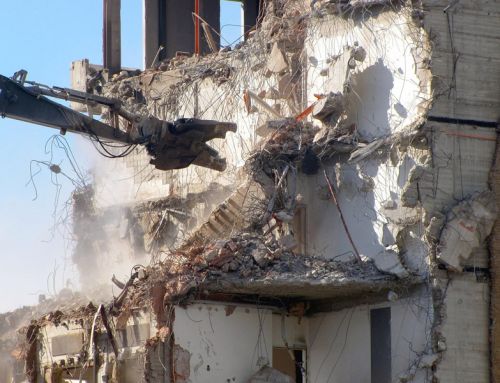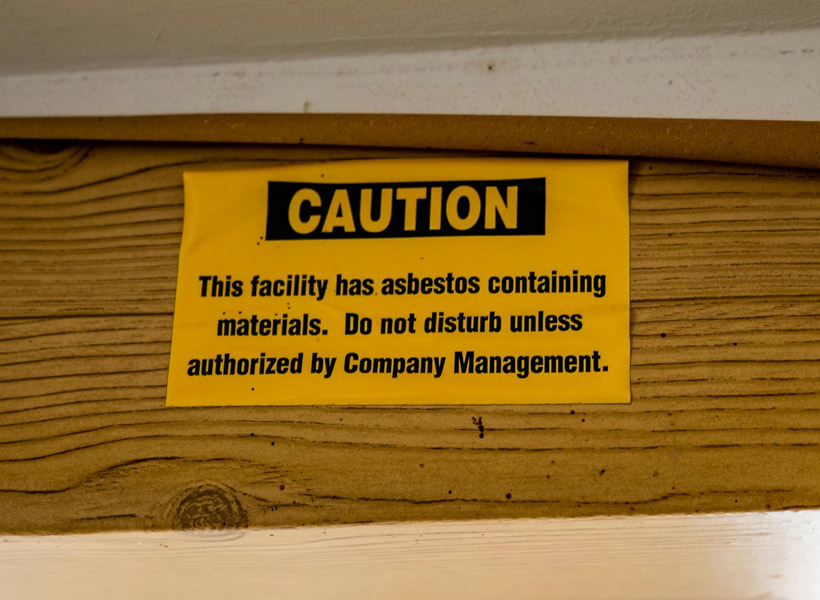
Asbestos testing is a critical step before any demolition project, ensuring the safety of workers, the community, and the environment. Asbestos, once a popular material for insulation, fireproofing, and construction, is now recognized as a hazardous substance due to its association with severe health issues. Let’s look at why asbestos testing is indispensable before undertaking demolition activities.
Understanding Asbestos and Its Risks
Asbestos is a group of naturally occurring minerals with excellent heat resistance, tensile strength, and insulating properties. These characteristics made it a widely used construction material in the 20th century. However, prolonged exposure to asbestos fibers, which are easily inhaled or ingested when disturbed, can lead to severe illnesses such as asbestosis, lung cancer, and mesothelioma. These diseases often manifest decades after exposure, making them difficult to detect and treat early.
When a building containing asbestos is demolished, asbestos-containing materials (ACMs) can release microscopic fibers into the air, creating a significant risk for everyone nearby. Without proper identification and handling, these fibers can linger in the environment, posing long-term health hazards.
Regulatory Compliance
In many countries, including the United States, strict regulations govern asbestos management to protect public health and the environment. For instance, the U.S. Environmental Protection Agency (EPA) and the Occupational Safety and Health Administration (OSHA) require that buildings constructed before the 1980s be tested for asbestos before demolition. Non-compliance can result in legal penalties, project delays, and increased liability for property owners and contractors.
Conducting asbestos testing ensures adherence to these regulations, minimizing the risk of costly fines or lawsuits. Certified asbestos inspectors can identify ACMs and recommend appropriate removal or containment measures, ensuring that the demolition proceeds legally and safely.
Protecting Workers and the Community
Demolition activities, such as drilling, cutting, and breaking, can disturb ACMs, releasing asbestos fibers into the air. Workers on-site are at the highest risk, but these fibers can also spread to nearby areas, endangering the local community. Asbestos testing identifies high-risk areas, allowing for safe removal and disposal of ACMs before demolition begins. This step ensures the health and safety of everyone involved, from workers to residents in the surrounding area.
Proper testing and mitigation also reduce the risk of contamination in water systems, soil, and nearby structures, protecting the environment from long-lasting asbestos pollution.
Cost-Effectiveness
Skipping asbestos testing might seem like a way to save time or money, but it often leads to higher costs in the long run. If asbestos is discovered mid-project or if improper handling results in contamination, cleanup efforts can be exorbitantly expensive. Additionally, construction delays caused by unplanned testing or remediation can inflate project timelines and budgets. By investing in asbestos testing upfront, property owners and contractors can prevent these unforeseen expenses and keep the project on track.
Asbestos testing before demolition is not just a regulatory requirement—it is a critical safety measure. By identifying and addressing ACMs, property owners and contractors protect workers, the community, and the environment from the severe health risks associated with asbestos exposure. Moreover, it ensures compliance with the law and avoids costly project delays. Prioritizing asbestos testing demonstrates a commitment to safety, responsibility, and sustainable construction practices.