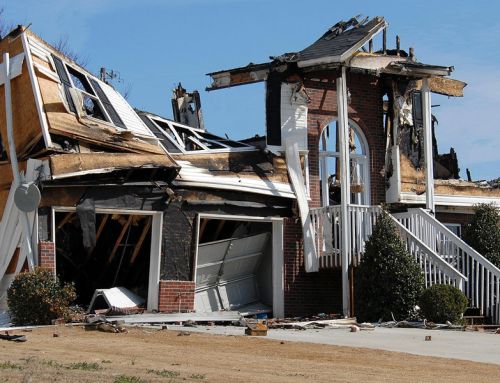
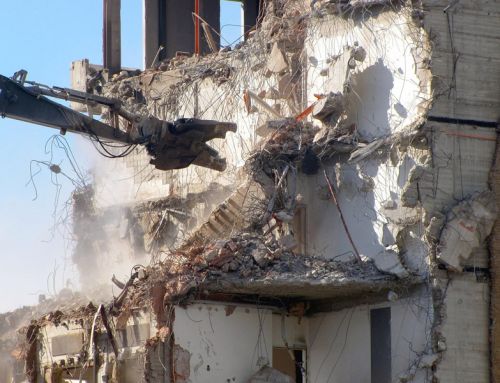
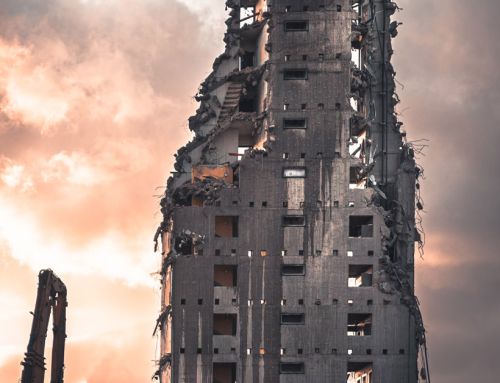
Demolition, the deliberate dismantling of buildings or structures, is an essential aspect of urban development and renewal. While it might seem straightforward, demolition is a highly complex process that involves significant risks, including structural collapses, debris hazards, and environmental contamination. To mitigate these risks, structural assessments play a critical role in ensuring that demolition activities are conducted safely, efficiently, and responsibly.
Understanding Structural Assessments
Structural assessments involve a detailed evaluation of a building’s physical condition and stability. Engineers and demolition experts examine the structural integrity of materials such as concrete, steel, and masonry, as well as critical load-bearing components like beams, columns, and foundations. These assessments provide a comprehensive understanding of how the structure may behave during dismantling, allowing experts to plan for controlled and safe demolition.
Importance in Risk Mitigation
A key benefit of structural assessments is the identification of potential hazards that could jeopardize safety. For instance, deteriorating materials or unexpected stress points can cause unintended collapses during demolition. Structural assessments help pinpoint these vulnerabilities, enabling teams to devise strategies that reduce risks to workers and surrounding areas.
For example, in high-density urban environments, demolition near neighboring buildings requires precise calculations to ensure no unintended damage occurs. A thorough assessment can inform the selection of demolition techniques, such as implosion, mechanical dismantling, or manual deconstruction, based on the structure’s condition and surrounding environment.
Ensuring Regulatory Compliance
Structural assessments also ensure compliance with safety regulations and industry standards. Governments and local authorities often mandate specific protocols for demolition projects, particularly those involving older structures with hazardous materials like asbestos or lead paint. Structural assessments provide the necessary documentation to meet these requirements, demonstrating that all potential risks have been evaluated and accounted for.
Informing Demolition Methods
Different demolition methods, such as wrecking balls, explosives, or robotic systems, have distinct impacts on a structure. Without an accurate understanding of the building’s structural framework, the chosen method might lead to unpredictable outcomes, such as partial collapses or debris spread. Structural assessments guide the selection of the most appropriate demolition approach, ensuring controlled and efficient processes.
For instance, in the case of explosive demolition, precise knowledge of load-bearing points is crucial to positioning charges for a controlled implosion. Similarly, for mechanical demolition, assessments help plan the sequence of dismantling to maintain stability until the final stages.
Enhancing Worker Safety and Environmental Responsibility
Demolition sites can be hazardous environments, with risks ranging from falling debris to exposure to hazardous substances. Structural assessments improve worker safety by identifying safe zones, potential collapse risks, and load paths. They also minimize environmental impact by ensuring the controlled containment and disposal of debris and hazardous materials.
For instance, assessments can uncover hidden voids or underground tunnels that may complicate excavation work. Identifying such features before beginning demolition avoids accidents and reduces project delays.
Structural assessments are indispensable to the safe and efficient execution of demolition projects. By providing a clear understanding of a building’s integrity and vulnerabilities, they enable informed decision-making, compliance with regulations, and the selection of appropriate demolition methods. Ultimately, these evaluations protect workers, minimize environmental risks, and ensure the success of demolition activities, making them an integral part of modern construction practices.