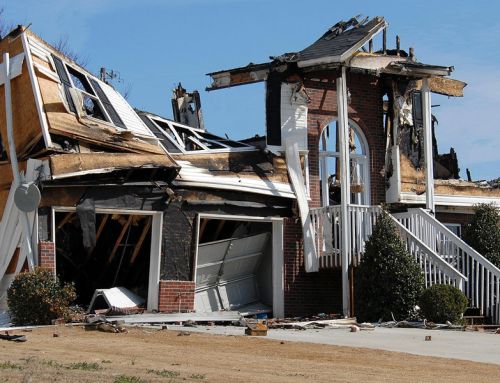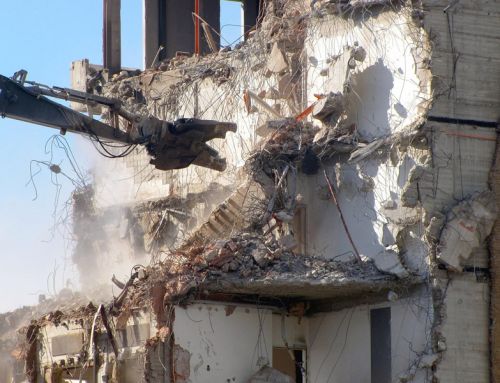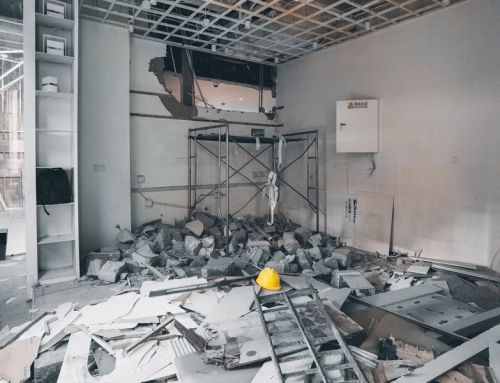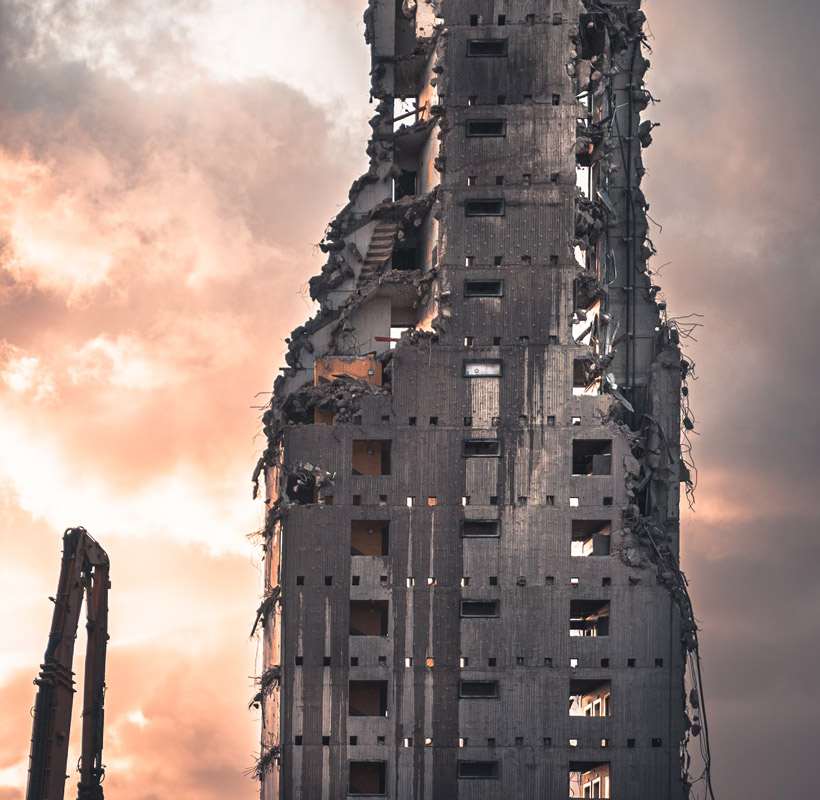
Demolishing high-rise buildings is a complex and highly regulated process that requires meticulous planning, specialized equipment, and stringent safety measures. The challenges associated with this process stem from structural, environmental, economic, and logistical factors, all of which must be carefully managed to ensure a successful demolition.
Structural Complexity
One of the foremost challenges of demolishing high-rise buildings is their structural integrity. Unlike smaller buildings, high-rises are designed to withstand immense loads, seismic activities, and extreme weather conditions. Their reinforced concrete and steel framework make demolition difficult and time-consuming. Engineers must conduct thorough structural assessments to determine weak points and plan the safest method of deconstruction.
Additionally, modern skyscrapers incorporate innovative materials and intricate designs that further complicate the demolition process. Some buildings may include post-tensioned concrete, which can release dangerous forces if improperly dismantled. In older structures, hazardous materials such as asbestos and lead may be present, requiring specialized removal procedures before demolition can begin.
Environmental and Safety Concerns
High-rise demolition generates significant amounts of dust, debris, and hazardous materials that pose serious health and environmental risks. Proper containment and disposal of these materials are essential to prevent air and water pollution. Demolition companies must comply with environmental regulations and use advanced dust suppression techniques, such as water spraying and air filtration systems, to minimize contamination.
Safety is another critical concern. The risk of structural collapse, falling debris, and exposure to hazardous materials makes demolition a dangerous operation. Workers must wear protective gear, and demolition sites require strict access control to prevent accidents. Nearby buildings and infrastructure also need protection, necessitating the use of controlled demolition techniques such as implosion, which involves precise placement of explosives to ensure the structure falls within a designated area.
Logistical and Urban Challenges
Many high-rise demolitions take place in densely populated urban areas, where space constraints make operations even more difficult. Limited space means demolition teams must carefully coordinate material removal, traffic management, and public safety measures. Streets may need to be temporarily closed, and nearby businesses and residences could experience disruptions. In such cases, contractors must work closely with city authorities to develop traffic rerouting plans and minimize disturbances to the public.
Furthermore, certain cities have stringent regulations regarding noise and air pollution, restricting demolition activities to specific hours. This prolongs the demolition timeline and increases costs, requiring additional planning and resources to ensure efficiency while complying with local laws.
Economic and Financial Considerations
Demolishing a high-rise is an expensive endeavor. Costs can range from hundreds of thousands to millions of dollars, depending on factors such as building size, location, materials, and demolition method. Mechanical demolition, deconstruction, and implosion each have different financial implications, and the choice of method is often dictated by budget constraints.
Additionally, property owners and developers must consider the financial feasibility of demolition versus renovation. In some cases, retrofitting a building for new use may be more cost-effective than complete demolition and reconstruction. If a high-rise is demolished, companies must also factor in the costs of waste disposal and recycling, which can be substantial.
Demolishing high-rise buildings is a multifaceted process requiring careful planning and execution to address structural, environmental, logistical, and financial challenges. Advances in demolition technology and sustainable practices continue to improve efficiency and safety, but the inherent difficulties of bringing down towering structures remain significant. With meticulous preparation, adherence to regulations, and the use of innovative techniques, these challenges can be managed effectively, ensuring that high-rise demolitions are conducted safely and responsibly.