Demolishing fire-damaged structures is a complex process that requires careful planning, adherence to safety regulations, and environmental considerations. Whether a structure is partially or completely destroyed, the demolition process must ensure safety, cost-effectiveness, and efficiency. Below are some of the best approaches to safely and effectively demolish fire-damaged buildings when faced with that type of demolition.
Conduct a Thorough Assessment
Before initiating demolition, a comprehensive assessment of the structure is crucial. This involves:
- Structural Evaluation: Engineers or demolition experts must assess the integrity of the remaining structure to determine the safest demolition method.
- Hazard Identification: Fire-damaged structures often contain hazards such as weakened supports, asbestos, mold, and chemical residues. Testing for hazardous materials should be a priority.
- Permit Acquisition: Local authorities typically require permits before demolition can commence. Ensuring compliance with local, state, and federal regulations is essential.
Develop a Demolition Plan
A well-drafted demolition plan outlines the step-by-step process, considering site-specific conditions. Key aspects include:
- Safety Measures: Establishing exclusion zones, using protective equipment, and ensuring workers follow safety protocols.
- Demolition Method Selection: The method depends on the building’s size, location, and level of fire damage. Common methods include:
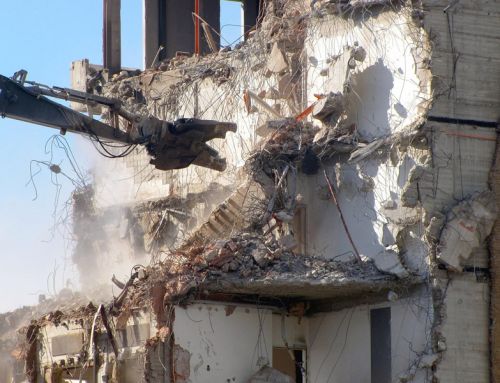
- Mechanical Demolition: Using heavy machinery such as excavators and bulldozers to tear down the structure efficiently.
- Deconstruction: Manually dismantling salvageable materials before full-scale demolition, reducing waste and maximizing recycling.
- Controlled Demolition: Using explosives in a calculated manner for quick and safe removal of large structures (rarely used in fire-damaged cases).
- Waste Management Plan: Proper disposal and recycling of debris minimize environmental impact and comply with regulations.
Implement Safety Protocols
Fire-damaged structures present unique risks, requiring stringent safety measures:
- Worker Protection: Demolition workers should wear appropriate personal protective equipment (PPE) such as respirators, gloves, and helmets.
- Fire Residue Management: Soot, ash, and chemical residues must be handled with care to prevent airborne contamination.
- Utility Shutoff: Disconnecting utilities like gas, water, and electricity prevents accidents during demolition.
- Air Quality Control: Dust suppression techniques, such as water spraying, should be used to minimize air pollution.
Execute the Demolition Process
Once preparations are complete, the demolition can proceed methodically:
- Site Preparation: Clearing unnecessary objects and ensuring machinery can operate safely.
- Systematic Demolition: Starting from the least stable parts and moving towards stronger sections ensures controlled takedown.
- Debris Removal: Using proper disposal methods, such as hauling debris to approved landfills or recycling facilities.
Post-Demolition Cleanup and Site Restoration
After demolition, the site must be cleared and prepared for future use:
- Debris Sorting and Recycling: Salvaging materials like concrete, metal, and wood for reuse reduces waste.
- Soil Testing: Ensuring soil integrity and removing contaminants if necessary.
- Site Stabilization: Implementing erosion control measures and grading the land for redevelopment or landscaping.
Demolishing fire-damaged structures requires meticulous planning, proper execution, and adherence to safety regulations. By conducting thorough assessments, choosing appropriate demolition methods, implementing safety measures, and responsibly managing waste, demolition can be performed efficiently and sustainably. Hiring experienced professionals ensures compliance with legal and environmental standards, making the process safer and more cost-effective for all involved.