San Diego is home to a rich tapestry of historic architecture, with buildings that tell the stories of the city’s vibrant past. From Victorian-era homes to mid-century modern landmarks, these structures hold significant cultural and historical value. However, as time passes, the need for modernization and structural updates becomes increasingly pressing. This is where partial demolition comes into play—a method that has gained popularity among property owners, preservationists, and contractors alike for its ability to balance the demands of modernity with the preservation of history.
Understanding Partial Demolition
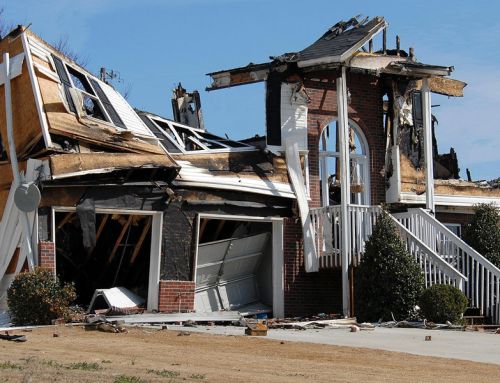
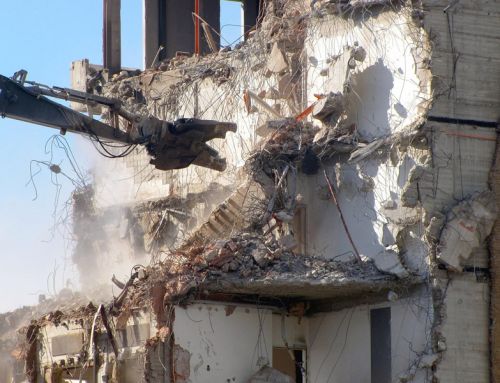
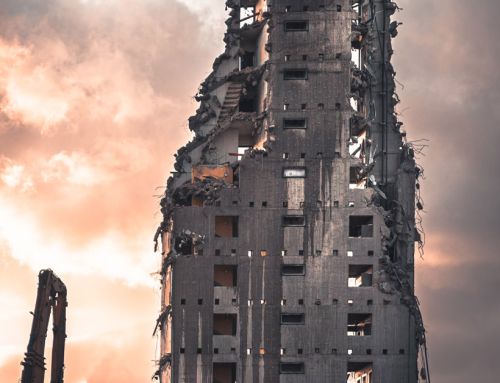
Partial demolition involves the selective removal of certain parts of a building while retaining and restoring other sections. This approach is particularly beneficial for historic buildings where complete demolition would erase valuable architectural heritage. Instead of tearing down an entire structure, partial demolition allows for the preservation of key elements, such as facades, ornamental features, and structural components that contribute to the building’s historical significance.
Preserving Architectural Heritage
One of the primary reasons partial demolition is favored for historic buildings is its ability to preserve architectural heritage. Many historic structures in San Diego possess unique design elements that are irreplaceable. These might include intricate woodwork, original masonry, stained glass windows, or period-specific architectural styles that are no longer in use. By opting for partial demolition, property owners can retain these features, ensuring that the building’s character and historical value are preserved for future generations.
For example, a historic home might undergo partial demolition to remove an unstable addition or to make way for a modern extension while keeping the original facade intact. This approach not only preserves the aesthetic appeal of the building but also maintains its historical integrity, which is often a key concern for preservationists and local heritage organizations.
Balancing Modern Needs with Historical Significance
Historic buildings often require updates to meet modern standards of safety, accessibility, and functionality. Whether it’s upgrading electrical systems, installing modern plumbing, or reinforcing the structure to withstand earthquakes, these updates are essential for making historic buildings viable for contemporary use. However, complete demolition would result in the loss of the building’s historical significance.
Partial demolition offers a solution by allowing for necessary modernization while retaining the building’s historical aspects. For instance, a historic commercial building in downtown San Diego might need to be partially demolished to create larger, more functional interior spaces for modern businesses. In this case, the exterior of the building could be preserved, maintaining the historical streetscape while enabling the structure to meet current commercial needs.
Cost-Effective and Sustainable
Another reason partial demolition is a popular choice for historic buildings is its cost-effectiveness and sustainability. Full demolition and new construction can be prohibitively expensive, especially when dealing with historic properties that require special permits and adherence to preservation guidelines. Partial demolition, on the other hand, can be more affordable by reducing the amount of new construction needed and minimizing waste.
Sustainability is another critical factor. The construction industry is a significant contributor to waste, and demolishing entire buildings only adds to the environmental burden. Partial demolition reduces waste by preserving existing materials and structures, which can then be integrated into the new design. This approach not only conserves resources but also aligns with the growing trend toward more sustainable building practices.
Navigating Regulatory and Preservation Challenges
In San Diego, as in many other cities with rich historical backgrounds, there are strict regulations governing the demolition and alteration of historic buildings. Property owners often face challenges when attempting to modernize or repurpose historic structures, as preservation laws can limit the extent of alterations allowed.
Partial demolition provides a way to navigate these regulatory challenges. By retaining significant portions of the building, property owners can often meet preservation requirements while still achieving their modernization goals. This compromise is beneficial for all parties involved—property owners can update their buildings to meet current needs, and preservationists can rest assured that the historical character of the city is being respected.
Enhancing Property Value
Preserving the historical elements of a building through partial demolition can also enhance its property value. Historic properties often hold a unique appeal for buyers and tenants who appreciate the character and charm of older buildings. By retaining these features while making necessary updates, property owners can create a unique and desirable property that stands out in the market.
For example, a historic apartment building in a San Diego neighborhood might undergo partial demolition to improve safety and amenities while preserving the original architectural details that make it attractive to potential tenants. The result is a property that offers modern comforts without sacrificing the historical charm that draws people to the area.
Conclusion
Partial demolition has emerged as a popular choice for historic buildings in San Diego for several compelling reasons. It allows property owners to preserve architectural heritage, balance modern needs with historical significance, and navigate regulatory challenges, all while being cost-effective and sustainable. By choosing partial demolition, property owners can protect and celebrate the city’s rich architectural history while ensuring that historic buildings remain functional and relevant in the modern age.
For a city like San Diego, where history and progress coexist, partial demolition offers the perfect solution to maintaining the past while embracing the future. Whether it’s a historic home, a commercial building, or a public landmark, partial demolition ensures that the stories embedded in these structures continue to be told, even as they adapt to meet the demands of the present.